Trump’s "No Tax on Tips" Pledge: Key Details in the GOP Budget Bill

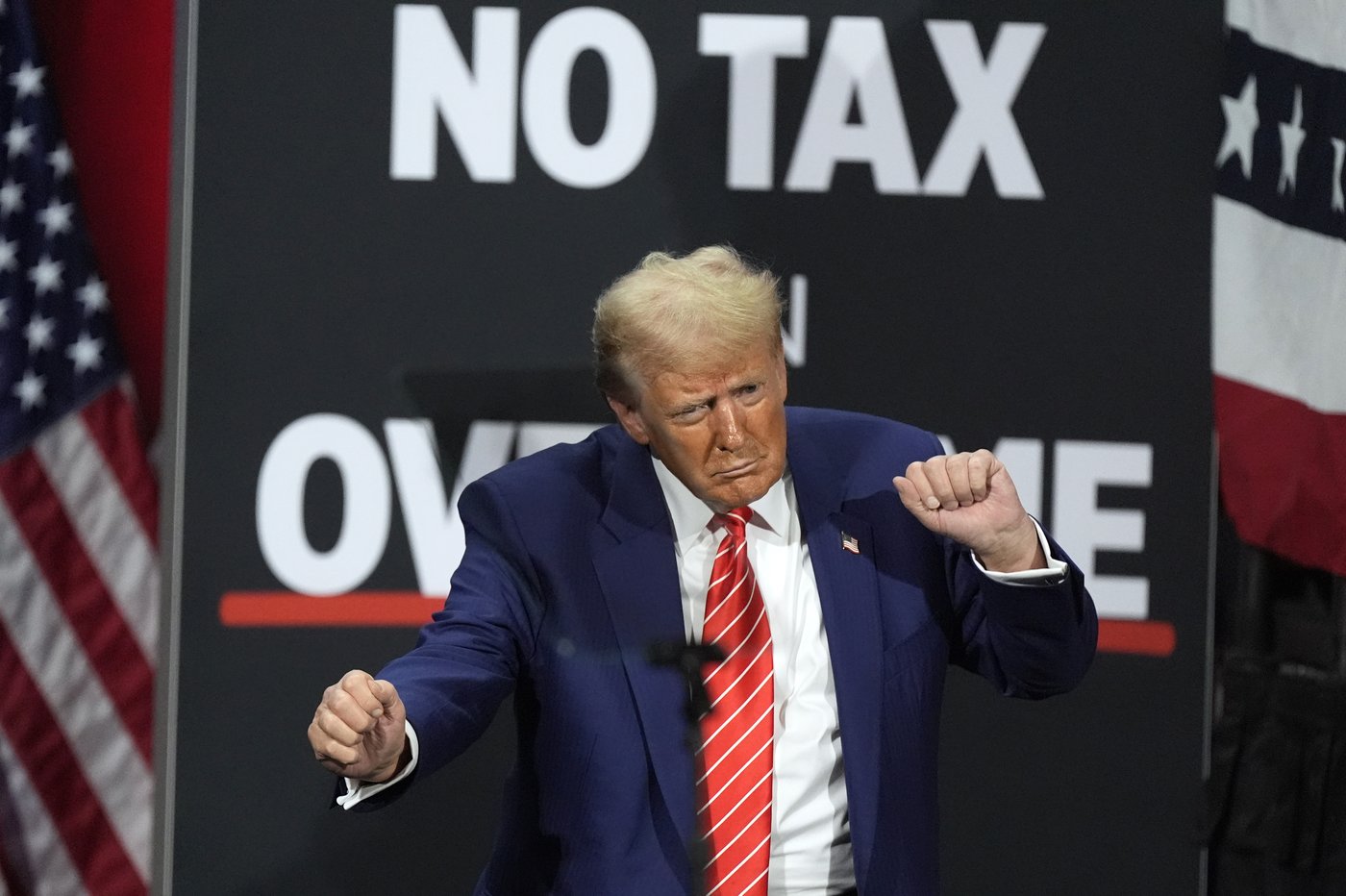
NEW YORK (AP) — President Donald Trump’s no tax on tips the pledge has turned into a catchphrase for his 2024 campaign. As it gets nearer to becoming a reality.
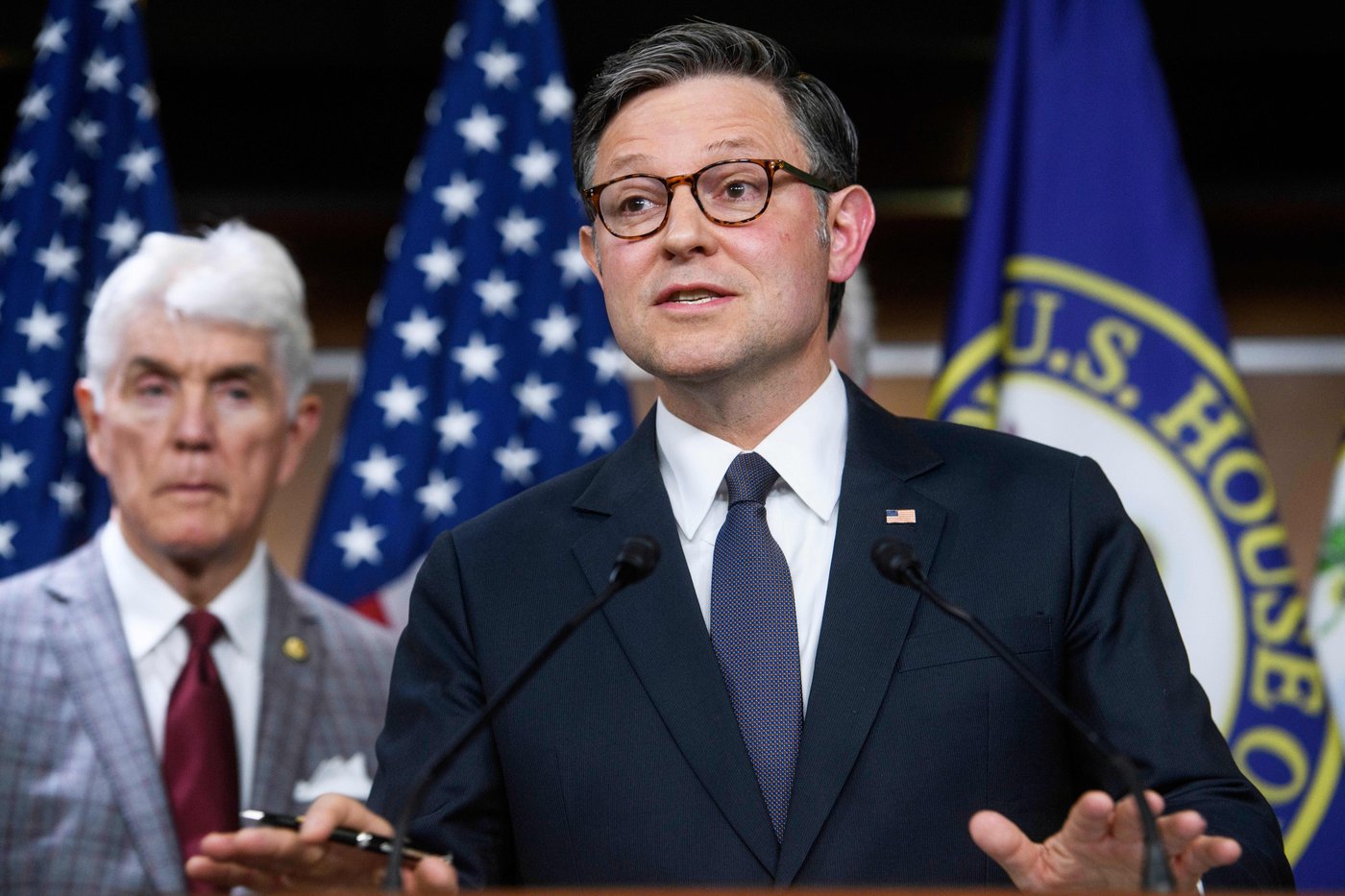
The concept is solidly embedded in the sprawling tax cuts package House Republicans passed early Thursday And unexpectedly, the Senate voted this week to overwhelmingly endorse the proposal.
The proposal has widespread support from the public, lawmakers in both parties and employers who believe such a law will bring relief to the working class. But many critics say that it would come with an enormous cost to the government while doing little to help the workers who need it most.
Let's examine the proposal along with its possible effects:
What does the 'No Tax on Tips' clause entail?
This proposal introduces a fresh tax break, which would eliminate federal income taxes on gratuities for individuals employed in sectors where tipping has been customary, provided their earnings do not exceed $160,000 in 2025. Under this plan, the Trump administration aims to release an official roster of eligible job categories within three months following the enactment of the legislation.
Only the tips communicated to the employer and documented on an employee’s W-2, their year-end tax statement, would count. Payroll taxes, which fund Social Security and Medicare, would continue to be gathered alongside state and local taxes.
Should it be approved, the suggested tax break will lapse after four years. According to congressional budget experts, this measure could lead to a $40 billion rise in the deficit by 2028. An advocacy organization called the Committee for a Responsible Federal Budget estimates that making the tip exception permanent would cost around $120 billion over ten years.
During his campaign, what did Trump state regarding federal taxes on gratuities?
Trump gave this assurance during a stop during campaign in Las Vegas , where the service industry propels economic growth, as part of his appeal to working-class voters grappling with increasing expenses.
Parts of his supporter base enthusiastically shared the message, jotting down the slogan on their dining bills or discussing it with their hairdressers during a haircut.
Trump provided minimal information initially, but subsequently gave more insights. similar pledges to remove taxes from various types of income, such as overtime wages And Social Security payments. These proposals, alongside a deduction for car loan interest, are part of the Republican Party’s budget plan.
"No taxes apply to gratuities" was later embraced — with restrictions — as set by the prominent Culinary Union, representing Las Vegas Strip hospitality employees, along with Nevada’s Democratic senators and Vice President Kamala Harris, who is Trump's opponent from the Democratic party.
What effect might this have on employees?
Specialists argue that certain middle-income service employees might gain from reduced taxes but caution that this could exacerbate inequalities.
"If your objective is to assist the most disadvantaged service employees, this approach is likely not effective," stated Michael Lynn, a professor specializing in service marketing at Cornell University, whose work primarily centers around tipping and various aspects of consumer conduct.
Approximately one-third of employees who receive tips earn less than what would require them to pay income tax. These workers won’t experience any savings from this change; therefore, the advantages will primarily benefit tip-based earners with higher incomes, as mentioned by Lynn.
"It's neglecting non-tipped employees who require assistance just as much, and it's primarily benefiting the most well-off among tipped workers," Lynn stated.
The median age of tipped employees stands at 31, which is about ten years younger compared to their non-tipped counterparts, as reported by the Yale Budget Lab. Additionally, these individuals generally earn lower wages.
For tipped employees who earn sufficient income to incur taxes, the typical tax reduction would amount to roughly $1,800, as estimated by the Urban-Brookings Tax Policy Center.
The measure also might prove difficult to implement .
What do employers say?
The National Restaurant Association has been one of the leading industry groups supporting the "No Tax onTips" clause. OnWednesday, when contacted for comments, a representative directed The Associated Press to an earlier statement issued after the proposal was introduced inJanuary.
"Removing taxes from tips would put more money directly into the pockets of many employees within the restaurant and foodservice sector, which might assist businesses in hiring staff," stated Sean Kennedy, executive vice president of public affairs for the organization, at the time—referring to the No Tax onTips Act as "prudent legislation" that incorporates "financially sound" safeguards.
In Nevada, the Culinary Workers Union particularly acknowledged that the state’s two Democratic senators, Catherine Cortez Masto and Jacky Rosen, collaborated with Republicans to advance the legislation—and urged the House to "make this happen for working families." This union represents approximately 60,000 casino and hotel employees throughout the state, such as bartenders, food servers, and cocktail waitresses who depend on tips.
However, other organizations advocating for workers echoed criticisms of the bill.
One Fair Wage, an organization comprising roughly 300,000 service employees and more than 1,000 restaurant owners advocating for higher wages, stated that this proposal provides "limited assistance to a few" yet forms part of a taxation plan that primarily benefits the wealthy at the expense of most people.
"For all the bicameral applause surrounding this legislation… this bill serves as a diversion from the genuine struggle," said Saru Jayaraman, president of One Fair Wage, emphasizing once more that it’s crucial to increase the minimum wage. Additionally, the nonprofit advocates for eliminating tip credits, which permit lower starting salaries for tipped employees across numerous states.
______
Cooper reported from Phoenix. Associated Press writer Rio Yamat provided additional reporting from Las Vegas.
Wyatte Grantham-Phillips and Jonathan J. Cooper from The Associated Press

Post a Comment for "Trump’s "No Tax on Tips" Pledge: Key Details in the GOP Budget Bill"